Understanding the Importance of Dental Care
Dental care is an essential component of overall health and well-being. Regular visits to a dentist can significantly improve your quality of life by preventing a range of dental issues before they escalate. In a world where dental technology and practices are continuously evolving, it’s crucial to stay informed about the benefits of maintaining good oral hygiene and knowing when to seek professional help. Whether you’re new to dental care or looking to enhance your current dental routine, check out this site for resources that can guide you through the process of finding a dentist and booking an appointment with ease.
Why Regular Dental Checkups Matter?
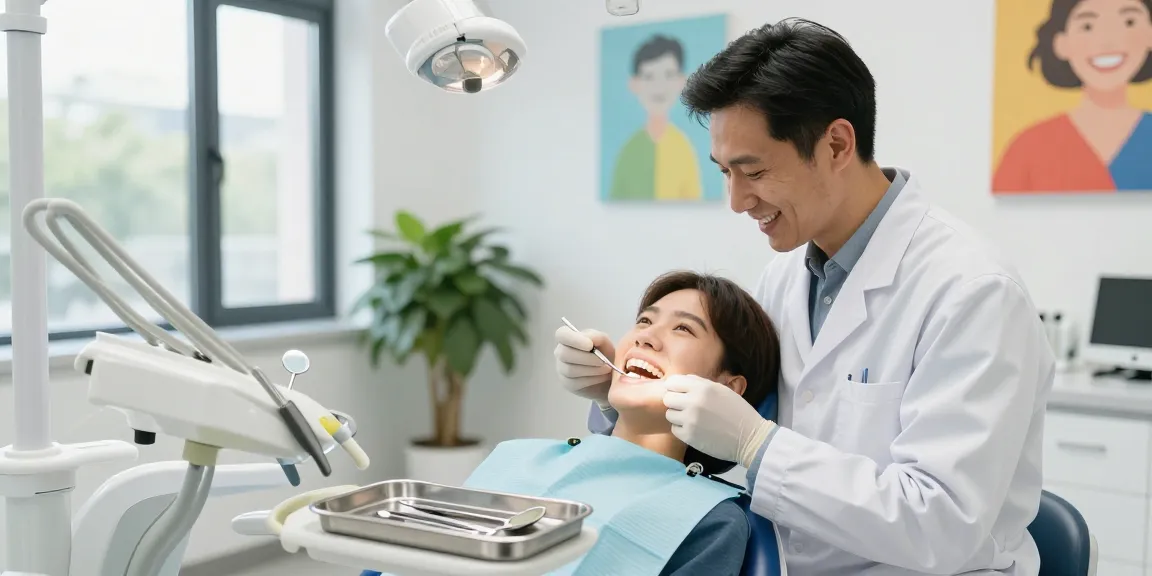
Regular dental checkups are vital for maintaining optimal oral health. Dentists recommend visiting at least twice a year for cleanings and examinations. These visits allow dentists to identify potential issues early, such as cavities, gum disease, and even oral cancers. During these checkups, professionals clean your teeth more thoroughly than what is achievable at home and provide advice on how to improve your daily dental care.
Common Dental Issues and Their Prevention
Common dental issues include cavities, tooth sensitivity, gum disease, and bad breath. Understanding these problems can empower patients to take preventative measures. For example:
- Cavities: Regular brushing, flossing, and visiting the dentist can help prevent cavities. Fluoride treatments and dental sealants can also provide additional protection.
- Gum Disease: This often arises from plaque buildup. Preventing gum disease involves brushing and flossing daily and scheduling regular dental cleanings.
- Tooth Sensitivity: This condition can stem from enamel erosion. Using desensitizing toothpaste and avoiding acidic foods can mitigate discomfort.
- Bad Breath: Maintaining good oral hygiene is crucial. Regular dental checkups can help identify the cause of persistent bad breath.
How Dental Health Affects Overall Wellbeing
It is essential to recognize that dental health is closely linked to overall health. Poor oral hygiene can lead to serious health issues, including heart disease, diabetes, and respiratory infections. The mouth serves as a gateway to the body, and bacteria from dental problems can enter the bloodstream, causing systemic infections. Addressing dental issues promptly not only benefits oral health but also supports overall physical health.
Finding the Right Dentist in Your Area
Finding a dentist who meets your specific needs can be challenging. However, with the right tools, this process can be significantly simplified. Online dentist locator services allow you to search for practitioners based on location, specialty, and other factors. This accessibility ensures that you can quickly find a suitable provider to maintain your oral health.
Benefits of Online Dentist Locator Services
Online dentist locator services have revolutionized the way patients find dental care. These platforms offer several advantages, including:
- Convenience: You can search for dentists anytime and anywhere, eliminating the need for extensive research.
- Detailed Information: Most online directories provide essential information, including dentist qualifications, specialties, and patient reviews.
- Real-Time Availability: Some services allow you to check availability and book appointments instantly, making the process seamless.
Key Factors to Consider When Choosing a Dentist
When selecting a dentist, consider these critical factors:
- Qualifications: Ensure the dentist is licensed and has the necessary qualifications and certifications.
- Specializations: Depending on your needs, you may require a general dentist, orthodontist, or periodontist.
- Location: Choose a dental office that is conveniently located to ensure easy access for regular visits.
- Office Environment: A welcoming and clean office can make your dental visits more comfortable.
User Reviews: Trust but Verify
User reviews can be a valuable resource when choosing a dentist. They provide insights into other patients’ experiences and can help gauge the quality of care provided. However, it’s essential to approach reviews with a critical eye. Look for consistent patterns in feedback rather than relying on a single opinion. Checking multiple sources can give you a more comprehensive understanding of a dentist’s reputation.
Maximizing Your Dental Experience
Your first visit to the dentist can set the tone for your future dental experiences. Understanding what to expect can help alleviate any anxiety you may have.
What to Expect During Your First Visit
During your initial appointment, the dentist will typically conduct a thorough examination of your teeth, gums, and mouth. This may include:
- X-Rays: These help identify issues not visible during a standard exam.
- Cleaning: A hygienist may perform a cleaning to remove plaque and tartar buildup.
- Discussion: Your dentist will discuss findings and recommend a personalized treatment plan.
Questions to Ask Your Dentist
Asking questions during your appointment can help you gain a better understanding of your dental health. Consider inquiring about:
- Your specific dental condition and treatment options available.
- Recommended frequency of dental visits based on your oral health.
- At-home care tips for maintaining optimal oral hygiene.
How to Prepare for Your Appointment
Preparing for your dental appointment can enhance the effectiveness of your visit. Here are some tips:
- Gather Information: Bring any relevant medical history and a list of medications.
- Note Concerns: Write down any specific dental issues or concerns you want to address.
- Be Punctual: Arrive on time to ensure a thorough examination.
The Role of Technology in Modern Dentistry
Technology has significantly improved the dental industry, making treatment more efficient and patient-friendly. Many dental practices now incorporate advanced technologies that enhance patient care and streamline processes.
Tele-Dentistry: The Future of Dental Consultations
Tele-dentistry has emerged as a valuable resource, enabling patients to consult with dental professionals remotely. This innovation is particularly beneficial for:
- Patients in remote areas who may have limited access to dental care.
- Those with mobility issues who find traveling to appointments challenging.
- Quick consultations for minor concerns, which can lead to timely interventions.
Innovative Tools and Treatments Available
Modern dentistry employs various innovative tools and treatments that enhance the patient experience. Some notable examples include:
- CEREC Technology: This allows dentists to create custom dental restorations in a single visit.
- Laser Dentistry: Used for procedures like cavity removal with minimal discomfort and quicker healing.
- 3D Imaging: This provides detailed views of a patient’s dental structure, aiding in accurate diagnoses and treatments.
Real-Time Appointment Booking and Management
With the advent of online scheduling systems, patients can now manage appointments at their convenience. Features include:
- Real-time availability checks, allowing patients to select times that fit their schedules.
- Automated reminders via text or email to reduce no-show rates.
- Simple rescheduling options that make managing dental visits hassle-free.
Future Trends in Dental Health Services
The dental health landscape is continuously evolving. Emerging trends are set to reshape the industry, focusing on enhanced patient care and innovative technology.
Emerging Technologies in Dental Care for 2026
As we look to the future, several technologies are expected to gain prominence:
- AI-Powered Diagnostics: Artificial intelligence will enable faster and more accurate diagnoses, enhancing treatment effectiveness.
- Augmented Reality (AR): This technology may assist in dental education and patient engagement by providing immersive experiences.
- Personalized Dental Care: A shift towards individualized treatment plans based on genetic and lifestyle factors is anticipated.
Shifting Patient Demands and Expectations
Modern patients are becoming more informed and proactive about their dental health. This shift requires dental practices to adapt by:
- Enhancing communication to keep patients informed about their care options.
- Providing a more comfortable and personalized dental experience.
- Emphasizing preventive care and patient education in treatment planning.
What Patients Can Anticipate in the Coming Years
As the dental industry evolves, patients can expect a greater focus on convenience, accessibility, and personalized care. Efforts to integrate technology in patient interactions will make it easier for individuals to manage their dental health. Furthermore, practices will likely invest in ongoing education for staff to stay current with best practices and techniques, ensuring high-quality care.