Understanding the Importance of Eye Health
Eye health is an often-overlooked aspect of overall wellness, yet it plays a critical role in our daily lives. The ability to see clearly is essential, and maintaining good vision is crucial for both personal and professional success. Regular eye exams can help detect potential issues early, allowing for timely intervention and treatment. In South Korea, facilities like SNU Eye Clinic are leading the way in advanced eye care and surgery, providing comprehensive services that can significantly enhance your quality of life. When exploring options, snuseoul offers comprehensive insights into maintaining and improving your eye health.
Why Regular Eye Exams are Vital for Everyone
Regular eye exams are fundamental for everyone, regardless of age. They are vital for detecting early signs of common eye conditions such as glaucoma, cataracts, and macular degeneration. Many of these conditions can progress silently, meaning a person may not notice they have an issue until significant damage has occurred. Annual check-ups can help to establish a baseline for your eye health and ensure any changes are monitored closely.
Moreover, eye exams can reveal underlying health issues as well, such as diabetes and high blood pressure. By prioritizing eye care through regular visits, individuals can take proactive steps to safeguard their vision and overall health.
Common Eye Conditions and Their Treatments
There are several common eye conditions, each with unique symptoms and treatment options:
- Myopia (Nearsightedness): This condition makes distant objects appear blurry. Treatment options typically include corrective lenses or refractive surgery.
- Hyperopia (Farsightedness): This condition causes nearby objects to be blurry. It is commonly treated with glasses, contacts, or surgical options.
- Astigmatism: Astigmatism distorts vision at all distances due to an irregularly shaped cornea. It is correctable with lenses or surgical procedures.
- Cataracts: These are cloudy areas in the lens of the eye that can be surgically removed to restore clear vision.
- Glaucoma: A group of conditions that affect the optic nerve, leading to vision loss. Treatments may include medication, laser treatment, or surgery.
How Lifestyle Affects Vision Health
One’s lifestyle choices play a significant role in eye health. Poor diet, lack of exercise, and smoking can negatively impact vision. Nutrients such as vitamins A, C, and E, along with omega-3 fatty acids, are vital for maintaining eye health. Incorporating foods rich in these nutrients, such as leafy greens, fish, and nuts, can help protect your vision.
Additionally, reducing screen time and practicing the 20-20-20 rule—taking a 20-second break to look at something 20 feet away every 20 minutes—can help alleviate digital eye strain, a growing concern in our tech-driven world.
Advanced Treatments Offered at SNU Eye Clinic
At SNU Eye Clinic, a variety of advanced treatments are designed to address specific vision needs, ensuring that every patient receives care tailored to their unique circumstances. Their approach combines cutting-edge technology with personalized care to achieve optimal results.
Personalized Vision Correction Techniques
The vision correction landscape has evolved dramatically with advances in technology. Personalized approaches like laser surgery and custom contact lenses allow individuals to achieve the best possible vision correction. SNU Eye Clinic utilizes advanced laser techniques that are tailored to the patient’s specific corneal topography, maximizing visual outcomes and minimizing recovery times.
The Role of ICL and Toric ICL in Vision Improvement
Implantable Collamer Lens (ICL) surgery represents a significant advancement in vision correction, particularly for individuals with severe myopia or those who are not candidates for LASIK. Similarly, Toric ICL is designed specifically for patients with astigmatism. Both options provide effective and long-lasting vision correction while preserving the natural lens of the eye.
At SNU Eye Clinic, extensive experience with over 5,000 cases of ICL and Toric ICL surgeries has allowed them to refine their techniques, ensuring patients receive state-of-the-art care.
Exploring the Latest Diagnostic Equipment
Keeping pace with technological advancements, SNU Eye Clinic employs the latest diagnostic equipment to ensure accurate assessments of eye health. Equipment such as Optical Coherence Tomography (OCT) and corneal mapping technologies enable precise diagnosis and treatment planning. This advanced diagnostic approach not only enhances treatment efficacy but also improves patient satisfaction.
Why Choose SNU Eye Clinic for Your Eye Care
Choosing the right eye care provider is paramount to achieving the best possible outcomes. SNU Eye Clinic distinguishes itself with a proven track record and a commitment to excellence in patient care.
Proven Track Record: Over 50,000 Surgeries Completed
With over 50,000 eye surgeries successfully performed, SNU Eye Clinic has built a reputation for high-quality care and successful outcomes. Their extensive experience equips them to handle a wide range of eye conditions and procedures, ensuring patients receive expert treatment tailored to their needs.
Patient-Centric Care: Personalized Services
At SNU Eye Clinic, patient comfort and satisfaction are top priorities. The clinic adopts a patient-centric approach, offering personalized consultations and care plans that cater to individual needs. From the initial evaluation to post-treatment follow-up, every step is designed to ensure a supportive and informative experience.
Expertise in Specialized Eye Treatments
Specialization is key in modern medicine, and SNU Eye Clinic excels in this area. Their team includes specialists in various fields such as corneal health, retinal conditions, and pediatric ophthalmology. This breadth of expertise enables them to address complex eye health issues effectively.
Preparing for Your Visit to the SNU Eye Clinic
Preparing for a visit to SNU Eye Clinic can help streamline your experience and ensure that you receive the best possible care.
What to Expect During Your Eye Exam
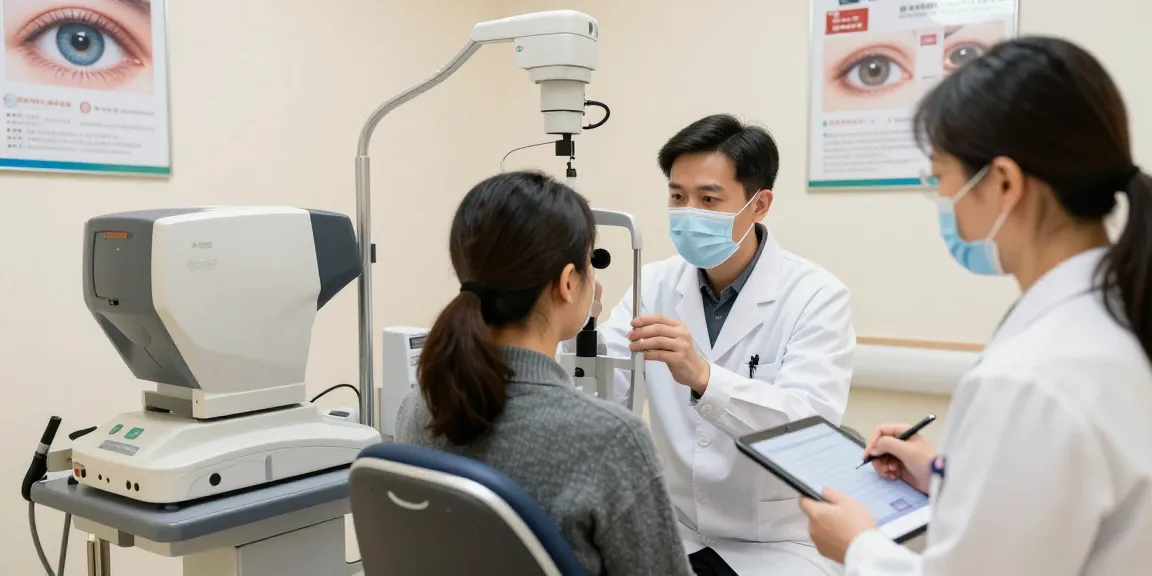
During your eye exam at SNU Eye Clinic, expect a comprehensive assessment that includes a thorough medical history and various tests to evaluate your vision and eye health. Modern diagnostic equipment will be utilized to gather detailed information, ensuring an accurate diagnosis.
Preparing for Surgery: A Step-by-Step Guide
If surgery is recommended, the clinic will provide a detailed guide to help prepare you for the procedure. This guide will cover essential pre-operative instructions, what to expect on the day of surgery, and post-operative care recommendations. Understanding this process can reduce anxiety and facilitate a smoother experience.
Post-Treatment Care and Follow-Up
Post-surgery care is crucial for optimal recovery. SNU Eye Clinic will provide specific instructions on how to care for your eyes after treatment, including medication protocols and activity limitations. Follow-up appointments will also be scheduled to monitor your recovery and ensure that your vision continues to improve.
Future Trends in Eye Care and Surgery
The field of eye care continues to evolve with innovations promising to enhance treatment outcomes and patient experiences.
Innovative Technologies Transforming Eye Treatments
Emerging technologies such as artificial intelligence and telemedicine are starting to reshape eye care. AI can assist in diagnosing conditions by analyzing images and data more accurately than ever before. Telemedicine allows patients to consult with eye care professionals remotely, increasing accessibility and convenience.
Predictions for Eye Care in 2026 and Beyond
As we look toward 2026, we anticipate further advancements in personalized medicine and tailored treatments for vision correction. Genetic testing may allow for even more precise approaches to treating specific conditions, optimizing outcomes.
How to Stay Informed About Eye Health Developments
Staying informed about developments in eye health is essential. Patients can subscribe to newsletters, follow reputable eye care organizations online, and attend community events to learn about new treatments and technologies. Engaging with healthcare providers and asking questions during appointments can also enhance your understanding.
What are Common Concerns for Eye Surgery?
Many patients have common concerns regarding eye surgery, such as safety, pain levels, and recovery times. It’s essential to discuss these questions with your surgeon, who can provide information tailored to your specific procedure and help you feel more at ease.
How Can I Benefit from Vision Correction Procedures?
Vision correction procedures can lead to improved quality of life, enhanced daily functioning, and reduced dependence on glasses or contact lenses. For many, it opens up new lifestyle opportunities, whether in sports, travel, or professional endeavors.
What Should I Know About ICL and Toric ICL?
Before considering ICL or Toric ICL, it is essential to understand the procedure, potential risks, and benefits. Consulting with an experienced ophthalmologist can help clarify eligibility, expected outcomes, and post-operative care requirements.
How Often Should I Get My Eyes Checked?
Most adults should have their eyes examined at least every two years, but those with existing conditions or risk factors may require more frequent assessments. A personalized eye care schedule can be established during your visits to SNU Eye Clinic.
What Lifestyle Changes Can Improve My Eye Health?
In addition to regular eye exams, making lifestyle changes such as eating a balanced diet, exercising, quitting smoking, and protecting your eyes from UV exposure can greatly benefit your eye health. Small changes can lead to significant improvements over time.