
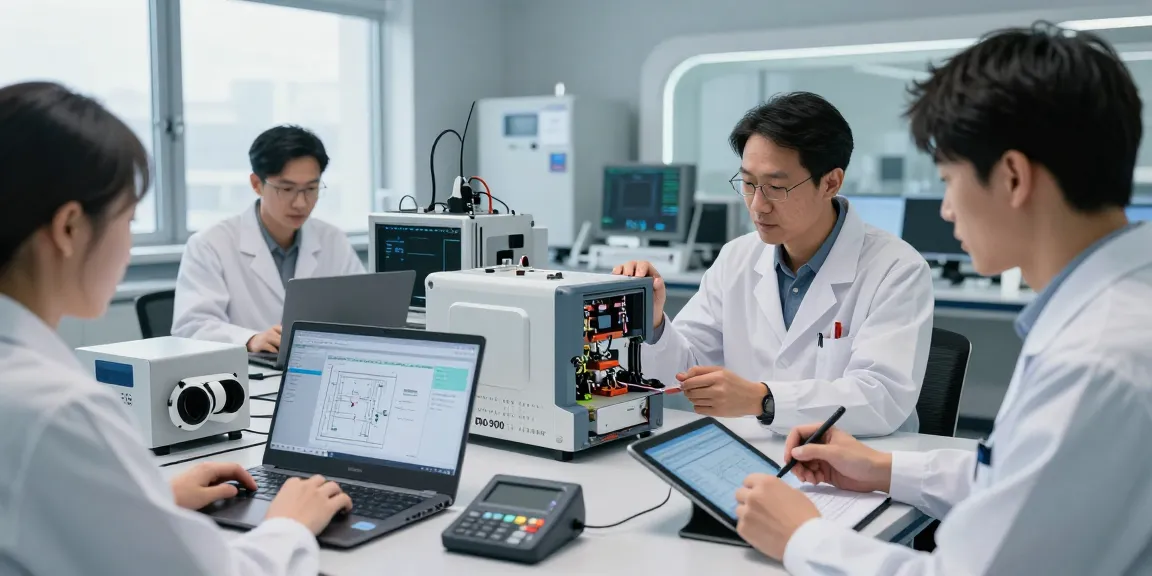
Understanding the Basics of depo 5000
The depo 5000 is an advanced technology solution designed for efficient data management and performance tracking. It caters specifically to businesses looking to enhance their operational efficiency and make informed decisions based on real-time analytics. In an era where data-driven decisions are paramount, understanding the capabilities of the depo 5000 can make a significant difference for organizations striving to optimize their resources and improve productivity. When exploring options, depo 5000 provides comprehensive insights that can transform business processes.
What is depo 5000?
depo 5000 serves as an integrated platform that combines various functionalities for data collection, analysis, and reporting. It utilizes robust algorithms to process large volumes of data in real time, making it a valuable tool for various industries including finance, healthcare, and logistics. With its user-friendly interface, businesses can easily navigate through complex datasets and extract meaningful insights without requiring extensive technical knowledge.
Key Features of the depo 5000
- Real-Time Analytics: Allows for immediate insights from data as it comes in.
- Customizable Dashboards: Users can tailor their view to focus on the most pertinent information relevant to their operations.
- Multi-Source Integration: Seamlessly connects with existing systems to unify data across platforms.
- Automated Reporting: Generates reports automatically based on pre-set criteria, saving valuable time and resources.
- User-Friendly Interface: Designed for ease of use, allowing both technical and non-technical users to access necessary information.
Comparing depo 5000 with Alternatives
When evaluating technology solutions, it’s essential to consider the alternatives available in the market. The depo 5000 stands out due to its unique combination of features, particularly its real-time analytics and customizable dashboards. Unlike many competitors that may focus on one aspect of data management, depo 5000 offers a holistic approach, ensuring that organizations can gain comprehensive insights into their operations.
Importance of Tracking depo 5000 Performance
Understanding how to effectively track the performance of the depo 5000 is critical for maximizing its benefits. Without careful monitoring, businesses may fail to leverage the full potential of this advanced tool. Tracking performance metrics helps organizations identify trends, measure success, and navigate challenges effectively.
Why Performance Metrics Matter
Performance metrics are essential for gauging the effectiveness of the depo 5000 in real-time data management and analytics. By establishing clear benchmarks, businesses can assess whether they are meeting their goals and objectives. Metrics can also highlight areas of improvement and inform strategic decisions, thus facilitating continuous growth and development.
Common Challenges in Technology Management
Despite its benefits, managing technology tools like the depo 5000 can present challenges such as data silos, user adoption issues, and integration difficulties. Companies often struggle with aligning the tool’s capabilities with existing workflows, causing underutilization of the system. Addressing these challenges requires a proactive approach to training, integration, and ongoing support.
Impact of Metrics on Decision-Making
The metrics tracked through the depo 5000 play a crucial role in shaping organizational decision-making processes. By providing data that reflects operational performance and user satisfaction, these metrics empower leaders to make evidence-based decisions. This data-driven approach fosters a culture of accountability and continuous improvement, ultimately supporting long-term business objectives.
Essential Metrics to Monitor for depo 5000
To fully leverage the capabilities of the depo 5000, organizations must focus on several key performance metrics. Monitoring these indicators can provide deep insights into both technical performance and user experience.
Technical Performance Indicators
- Data Throughput: Measures the amount of data processed in a given timeframe.
- System Uptime: Tracks the availability and reliability of the depo 5000 system.
- Latency: Evaluates the response times for data queries and reports.
User Satisfaction and Feedback
User feedback is invaluable for understanding the effectiveness of the depo 5000. Surveys and direct feedback help organizations gauge user satisfaction, uncover pain points, and identify features that may require enhancement. A continuous feedback loop can lead to better user experiences and more effective system utilization.
Operational Efficiency Metrics
- Time to Insight: Measures the speed at which data is transformed into actionable insights.
- Resource Utilization: Assesses how effectively resources are being used within the system.
- Cost Savings: Evaluates financial savings achieved through improved operational efficiency.
Best Practices for Implementing depo 5000 Metrics
Implementing effective tracking of depo 5000 metrics requires a systematic approach. By following best practices, organizations can ensure they are getting the most out of this powerful technology.
Step-by-Step Guide to Tracking Metrics
- Define Clear Objectives: Establish what you want to achieve with the depo 5000.
- Select Relevant Metrics: Choose metrics that align with your objectives.
- Set up Tracking Tools: Utilize the native tools within depo 5000 or integrate third-party software.
- Regular Review: Schedule frequent reviews of the data to adjust strategies as necessary.
Tools and Technologies for Data Analysis
Leveraging the right tools can enhance the effectiveness of the depo 5000. Consider utilizing data visualization software, advanced reporting tools, and machine learning algorithms to deepen your analysis and drive better decision-making.
Real-World Examples of Effective Implementation
Many organizations have successfully implemented the depo 5000 to improve their operational efficiency. For instance, a logistics company used the platform to streamline its supply chain operations by integrating real-time data analytics, which resulted in a 20% reduction in delivery times.
Future Trends and Predictions for depo 5000 in 2026
As technology continues to evolve, the depo 5000 is poised to adapt to new advancements that will shape its functionality and effectiveness by 2026.
Emerging Technologies Influencing Performance
Technologies like artificial intelligence and machine learning are expected to play significant roles in enhancing the capabilities of the depo 5000. These technologies will facilitate deeper data analysis and predictive modeling, allowing businesses to anticipate trends and make proactive adjustments.
Adapting to Market Changes
Market dynamics are ever-changing, and businesses utilizing the depo 5000 will need to remain agile. The ability to adapt to fluctuations in consumer behavior and global economic conditions will be crucial for maintaining a competitive edge.
Expert Insights on Future Developments
Industry leaders predict that as more organizations prioritize data-driven decision-making, the demand for robust systems like the depo 5000 will only increase. Innovations will focus on enhancing user experience, ensuring security, and improving interoperability with other technologies in the ecosystem.
What metrics are most crucial for depo 5000?
Key metrics for tracking the performance of depo 5000 include data throughput, system uptime, and user satisfaction ratings. These indicators provide a holistic view of the system’s effectiveness.
How often should depo 5000 performance be evaluated?
Performance evaluation should occur on a regular basis—monthly or quarterly—depending on the business’s needs and operational pace. This allows organizations to stay proactive and make timely adjustments.
What common pitfalls should be avoided?
Common pitfalls include neglecting user training, failing to integrate with existing systems, and not regularly reviewing performance data. These issues can lead to underutilization and inefficiencies.
How can user feedback improve depo 5000 effectiveness?
User feedback serves as a compass for improvement. By actively collecting and implementing suggestions, organizations can enhance the user experience and drive better performance outcomes from the depo 5000.
What are the predicted advancements for depo 5000 in 2026?
Predictions for 2026 indicate that depo 5000 will incorporate more advanced analytics features, support for greater automation, and enhanced user interfaces, further streamlining data management processes.

